
Chromium Picolinate for Blood Sugar


Chromium Picolinate for Blood Sugar: Benefits, Myths & Reality
The science of insulin receptor sensitivity, who actually benefits, and why this popular single-ingredient supplement is rarely enough on its own.
Chromium picolinate is one of the most researched single-ingredient nutraceuticals for metabolic health. It’s frequently chosen for its role in supporting insulin receptor sensitivity. But what does the latest evidence actually show? And why do many people experience limited or no noticeable results?
This guide breaks down the real mechanisms, evidence-based benefits, common myths, and — most importantly — why chromium picolinate alone is almost never a complete solution for long-term blood sugar support.
How Chromium Picolinate Works in the Body
Chromium picolinate is a highly bioavailable form of trivalent chromium bound to picolinic acid. Once absorbed, it helps form chromodulin, which amplifies insulin signaling inside cells.
- Enhances insulin receptor tyrosine kinase activity after insulin binds
- Promotes GLUT4 transporters to move to the cell membrane in muscle and fat tissue
- Inhibits PTP-1B, the enzyme that normally turns off insulin signaling
- Helps reduce oxidative stress that can impair insulin sensitivity
Net result: Improved insulin receptor sensitivity and better glucose uptake without increasing insulin secretion.
Proven Benefits (What the Research Actually Shows)
Modest improvement in insulin sensitivity
Meta-analyses show reductions in HOMA-IR and fasting insulin in people with insulin resistance.
Small drop in fasting glucose
Average reduction of ~13–14 mg/dL in people with elevated levels (doses 200–1000 µg/day).
Mild lipid support
Some studies note modest improvements in triglycerides and LDL cholesterol.
Benefits are most noticeable in adults 30+ with existing metabolic stress. Healthy individuals usually see little change.
Myths vs Reality: Where Chromium Picolinate Falls Short
Myth: “Chromium picolinate cures blood sugar problems”
Reality: Most high-quality RCTs show only modest effects (<0.5% HbA1c reduction). Many people experience zero measurable benefit.
- Single-pathway only — improves insulin receptor sensitivity but does nothing for gut glucose absorption, liver glucose output, or mitochondrial energy sensing.
- Low & variable bioavailability — less than 2% absorbed; results vary widely based on individual chromium status.
- Inconsistent evidence — stronger effects in some Asian studies; many Western trials show null results.
Why Chromium Alone Is Rarely Enough
Insulin receptor sensitivity is important, but true blood sugar balance needs coordinated support across multiple pathways.
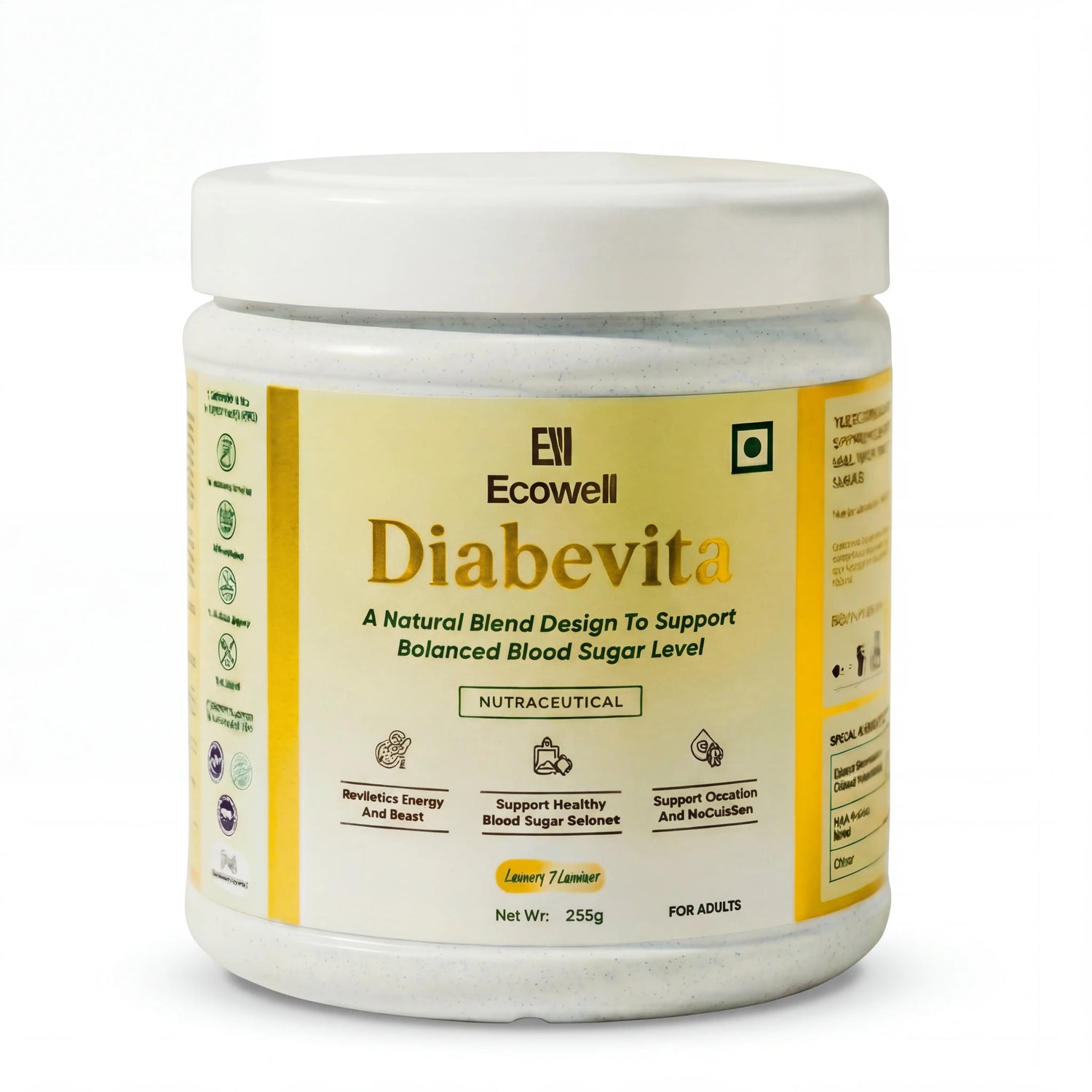
That’s where Diabevita Sugar Control Powder comes in.
Shop Diabevita Sugar Control Powder →Advanced multi-pathway formula • Clinically studied ingredients • Sugar-free • Supports overall metabolic health
Who Benefits Most from Chromium Picolinate?
Adults 30+
Especially those noticing rising fasting glucose or increasing waist circumference.
People with insulin resistance
Or prediabetes who are already following diet and exercise.
Women with PCOS
Where insulin sensitivity is a central concern.
Least benefit: Metabolically healthy young adults with normal blood sugar levels.
Practical Use & The Missing Piece
Typical dose: 200–1,000 µg elemental chromium as picolinate daily, taken with meals containing carbohydrates.
Best results timeline: 8–16 weeks of consistent daily use.
KEY TAKEAWAY
Chromium picolinate is a precise tool for insulin receptor sensitivity — but blood sugar control is a systems-level challenge. Single-pathway supplements almost always fall short.
Diabevita Sugar Control Powder
Advanced nutraceutical blend designed for comprehensive blood sugar and metabolic support.
Get Diabevita Sugar Control Powder Now →Take the Next Step Toward Better Metabolic Health
Chromium picolinate can play a supportive role, but pairing it with a complete multi-pathway formula gives you the comprehensive support your body needs for lasting results.

Recent Blogs

 May 10, 2026
Gymnema Sylvestre: The "Sugar Destroyer" for Modern Metabolism
ECOWELL HEALTH Metabolic Science Women's Health Shop Diabevita...

 May 09, 2026
Karela (Bitter Gourd) for Diabetes: Science-Backed Glucose Support | Ecowell Health
Karela (Bitter Gourd) for Diabetes: Science-Backed Glucose Support | Ecowell...

 May 08, 2026
Jamun for Diabetes: Pancreatic Health & Anthocyanin Benefits | Ecowell Health
Jamun for Diabetes: Pancreatic Health & Anthocyanin Benefits | Ecowell...
